
We are the region’s top choice for emergency and trauma care. Our facilities offer lifesaving treatments that are available 24 hours a day, 365 days a year to treat critical injuries, illnesses, and non-life-threatening conditions.
Our Approach to Emergency and Trauma Care
Kettering Health delivers fast, effective emergency care close to home. We offer community-based emergency and trauma services throughout western Ohio. With 14 comprehensive emergency centers—more than any other healthcare system in the region—we’re there when you need us the most.
Why Choose Us for Emergency and Trauma Care?
Highlights of our regional emergency and trauma centers include the following:
- Care for older adults: Our emergency centers are accredited as senior-friendly by the American College of Emergency Physicians (ACEP). By meeting guidelines for the ACEP’s Geriatric Emergency Department Accreditation, we improve the emergency-room experience for older adults and deliver an extra level of attentive care.
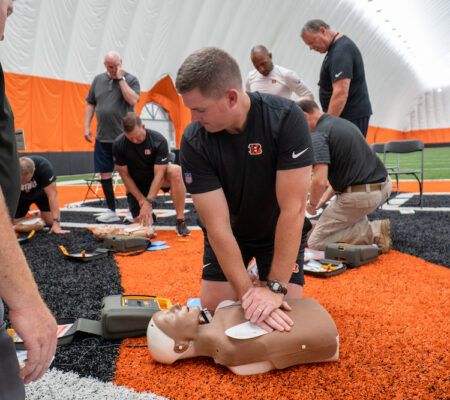
- Community involvement: Our emergency centers coordinate extensive outreach programs, including EMS training and safety education. We’re here not only to treat emergencies when they happen but also to improve the overall health of the cities and towns we serve.
- Dedicated trauma care: When trauma patients need advanced levels of care, our designated trauma centers provide coordinated care in a critical situation. By providing resources that range from emergency stabilization, resuscitation, and surgery, we are equipped to provide care for traumatic injuries.
- Expert team: As part of Kettering Health, our emergency and trauma centers connect you with some of the most experienced specialists in the region. Skilled trauma surgeons, neuroradiologists, and cardiologists are on-call to perform urgent interventional procedures for trauma, stroke, and heart attack.
- Innovative technology: Our emergency centers feature advanced technologies, including robot-assisted telestroke services and electronic data-sharing capabilities with first responders. We optimize every aspect of emergency treatment to ensure you get the fastest, most efficient care possible.
- National accreditation: Kettering Health Main Campus has earned accreditation as a Comprehensive Stroke Center by the Accreditation Commission for Health Care (ACHC). Our other emergency centers are certified Stroke Ready Centers, which means our locations have the expert staff and technology to provide lifesaving stroke care.
- Seamless transfers: Whether it’s on the ground with our fleet of vehicles (mobile ICUs, ambulances, and ambulettes) or in the air with our medical-helicopter partner, MedFlight, we can cover any of your transportation needs.
Our Locations
Emergency center wait time represents the average time it takes from check-in until the patient sees a provider, based on the last hour’s wait times and current conditions. Patients are prioritized according to severity of injuries, and the number of patients may affect actual wait times.
If you are experiencing an emergency, call 911 immediately, or get to your closest emergency center.
-
Kettering Health – Franklin Emergency Center
100 Kettering Way
(937) 458-4700
Franklin, OH 45005View LocationMinutesER Wait Time -
Kettering Health Dayton – Emergency Center
405 West Grand Ave
(937) 723-3210
Dayton, OH 45405View LocationMinutesER Wait Time -
Kettering Health Greene Memorial – Emergency Center
1141 North Monroe Dr
(937) 352-2500
Xenia, OH 45385View LocationMinutesER Wait Time -
Kettering Health Hamilton – Emergency Center
630 Eaton Ave
(513) 867-2270
Hamilton, OH 45013View LocationMinutesER Wait Time -
Kettering Health Huber – Emergency Center
8701 Old Troy Pike
(937) 558-3338
Huber Heights, OH 45424View LocationMinutesER Wait Time -
Kettering Health Main Campus – Emergency Center
3535 Southern Blvd
(937) 395-8659
Kettering, OH 45429View LocationMinutesER Wait Time -
Kettering Health Miamisburg – Emergency Center
4000 Miamisburg Centerville Rd
(937) 384-8791
Miamisburg, OH 45342View LocationMinutesER Wait Time -
Kettering Health Middletown – Emergency Center
6147 West OH-122
(513) 261-3400
Middletown, OH 45005View LocationMinutesER Wait Time -
Kettering Health Preble – Emergency Center
450 Washington Jackson Rd
(937) 456-8376
Eaton, OH 45320View LocationMinutesER Wait Time -
Kettering Health Springfield – Emergency Center
2300 N Limestone
Springfield, OH 45503View LocationMinutesER Wait Time -
Kettering Health Troy – Emergency Center
600 West Main Street
(937) 980-7010
Troy, OH 45373View LocationMinutesER Wait Time -
Kettering Health Washington Township – Emergency Center
1997 Miamisburg Centerville Rd
(937) 401-6228
Washington Township, OH 45459View LocationMinutesER Wait Time -
Soin Medical Center – Kettering Health – Emergency Center
3535 Pentagon Blvd
(937) 702-4500
Beavercreek, OH 45431View LocationMinutesER Wait Time
Emergency center wait time represents the average time it takes from check-in until the patient sees a provider, based on the last hour’s wait times and current conditions. Patients are prioritized according to severity of injuries, and the number of patients may affect actual wait times.
If you are experiencing an emergency, call 911 immediately, or get to your closest emergency center.